Manzanita and Wheeler Say “Yes” to Resilience: A Major Step Forward for Nehalem Bay Preparedness
The Nehalem Bay region just took a significant step forward in emergency preparedness.
In back-to-back decisions, the City of Wheeler (April 21) and the City of Manzanita (May 6) both unanimously approved accepting Type 3 Resilience Hub packages from the Oregon Office of Resilience and Emergency Management (OREM). These decisions mark a major milestone in strengthening our communities’ ability to respond to and recover from large-scale emergencies.
What Is a Resilience Hub?
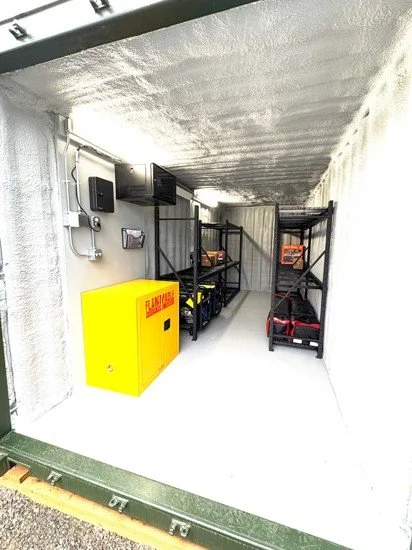
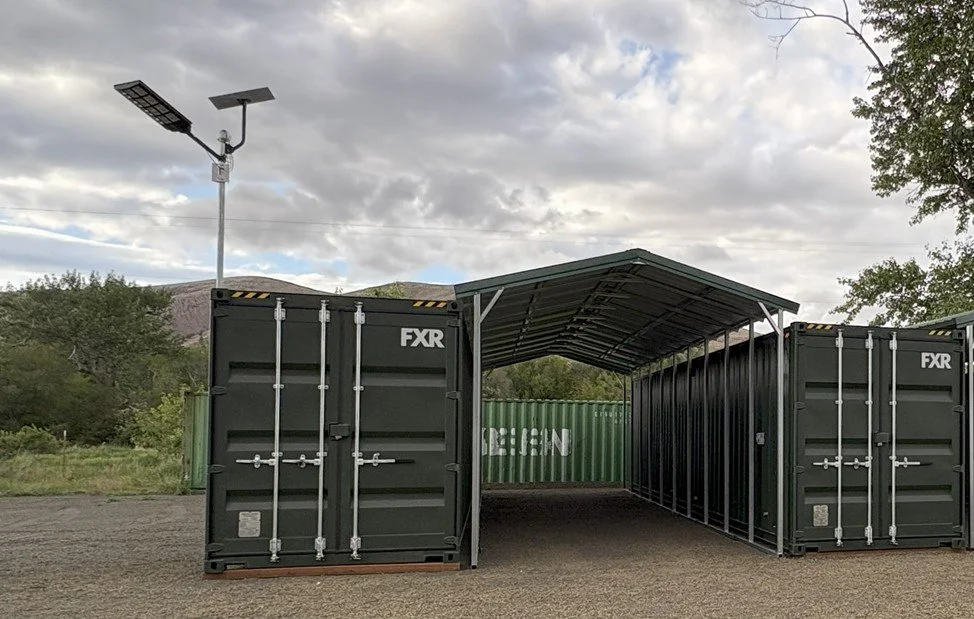
Each hub includes two 40-foot insulated containers stocked with critical emergency supplies and equipment—communications gear, power systems, limited food and water, and operational support materials. These hubs are designed to support local response efforts during disasters, when outside assistance may be delayed or unavailable.
In Wheeler, the hub will be located at Wheeler Upper Park. In Manzanita, the hub will be located near City Hall. Both sites are expected to be operational later this year.
Why This Matters
For coastal communities like ours, preparedness isn’t optional—it’s essential.
In the event of a major storm, wildfire, or a Cascadia Subduction Zone earthquake, the Nehalem Bay area could be isolated for days or even weeks. These Resilience Hubs provide:
A local staging area for emergency response
Tools to support coordination between city staff, volunteers, and first responders
Critical supplies to help sustain operations during extended emergencies
Enhanced communication capabilities to keep the community informed
Just as importantly, these hubs will help ensure that city staff and emergency personnel—those operating Emergency Operations Centers—have the resources they need to stay in place and continue serving the community when it matters most.
Strong Local Leadership and Partnership
These approvals reflect strong collaboration across agencies and organizations.
In Wheeler, Councilor Heidi Stacks was instrumental in guiding the project proposal through the City Council process and helping local residents understand the value of these resources. OREM representatives Jeff Gilbert and Marlene Munden were also on hand to answer questions and support the effort.
In Manzanita, Councilors Brad Hart and Linda Kozlowski helped lead the effort, with support from Police Sergeant and City Emergency Manager Mike Sims, who has been instrumental in evaluating and preparing for implementation.
OREM representatives Jeff Gilbert and Marlene Munden provided critical guidance and support throughout the process, helping both cities understand the scope and value of the hubs.
EVCNB’s Role
The Emergency Volunteer Corps of Nehalem Bay (EVCNB) has been proud to support this effort as part of our mission to build a more resilient community.
To help make this opportunity possible, EVCNB committed up to $20,000 toward site preparation costs, demonstrating our shared investment in preparedness and our ongoing partnership with local governments.
These hubs will complement and strengthen existing programs like:
Prepare Your Neighborhood (PYN)
CERT (Community Emergency Response Team)
Emergency communications initiatives
Shelter and mass care planning
A Regional Impact
With both Wheeler and Manzanita moving forward, the Nehalem Bay region is building a stronger, more coordinated emergency preparedness network.
This is about more than individual cities—it’s about ensuring that North Tillamook County as a whole has the resources needed to withstand and recover from major events.
Work is already beginning on the next phase, including continued collaboration with the City of Nehalem and regional partners.
Trish Johnson, EVCNB Board President, said she is extremely encouraged by the progress being made and hopes additional Resilience Hubs will eventually become available throughout North County.
“This is a tremendous step forward to ensuring that our community will be prepared for a major disaster,” said Johnson. “We know more needs to be done and we are working actively with other community partners and the State of Oregon to keep the momentum going.”
Looking Ahead
There is still work to do—site preparation, installation, training, and integration into local emergency plans—but this is a major and meaningful step forward.
These decisions reflect a shared understanding: preparedness saves lives.
EVCNB is grateful to the many leaders, partners, and community members who helped make this possible—and to everyone who continues to support building a more resilient Nehalem Bay.
Stay Involved
Want to be part of the effort?
Join a Prepare Your Neighborhood (PYN) group
Get trained through CERT
Volunteer with EVCNB
Stay informed through local emergency communication channels
Together, we are building a community that is ready—not just to respond, but to endure and recover.